What is blockchain and why it matters for your money
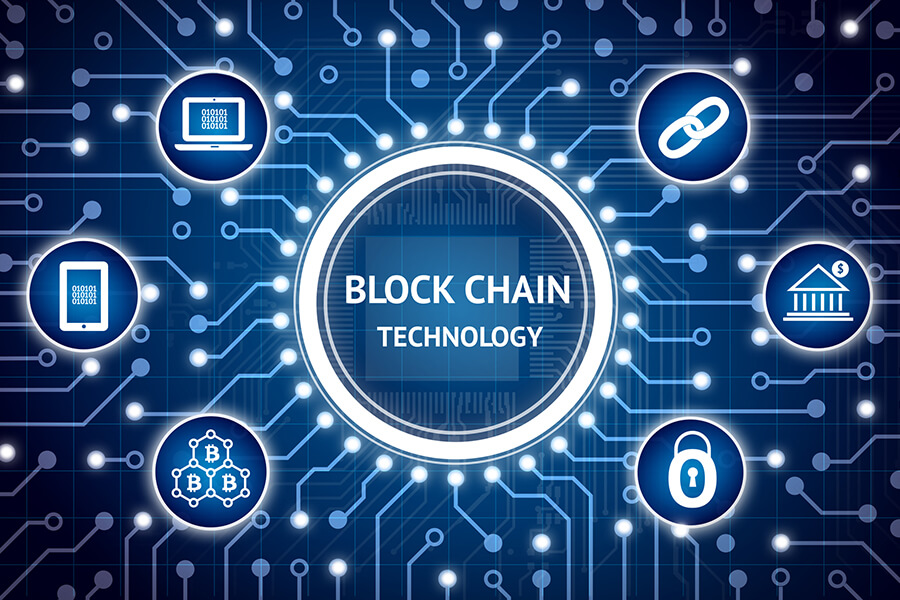
Blockchain is the digital record book that makes crypto work without a bank. It is basically a long list of transactions that everyone can see but nobody can change once they are written down. If you want to understand how digital money moves, you have to start with this tech.
Think of it like a shared spreadsheet that thousands of people keep on their own computers. When someone sends money, every computer checks if they really have it and then writes the move down at the exact same time. This means you do not need a big company like Visa or Chase to tell you who owns what. It is a system built on math instead of trusting a person in a suit.
The basic idea of the digital chain
A blockchain is made of blocks of data tied together in a specific order. Each block holds a group of recent transactions, like a page in a physical ledger. When a page gets full, it is sealed and linked to the page before it. This link is what makes it a chain. If you tried to change a page from last week, the link would break and everyone would know you cheated.
Most people first heard about this through Bitcoin which was the first big use of the tech. In that system, the record shows that Person A sent 0.5 coins to Person B. Thousands of computers, called nodes, watch these moves. They make sure Person A did not try to spend the same 0.5 coins twice. It is like having a thousand witnesses to every hand-shake deal you make.
This is different from how your bank works. Right now, your bank has a private list of your money. You have to trust they are right. With this new tech, the list is public. You can see the math for yourself. This transparency is why many people get excited about it. They like the idea of a system that does not have a single boss who can shut it down or lose your data.
How the data stays safe and permanent
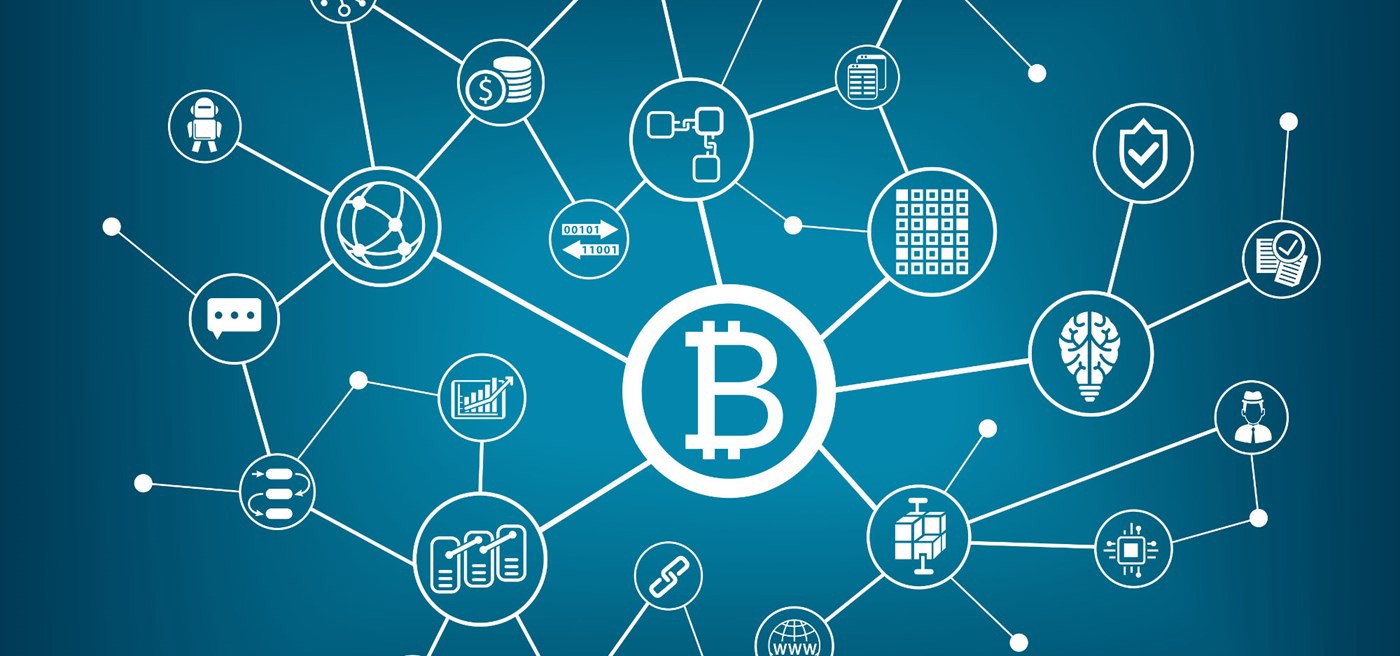
Safety comes from the fact that the data is spread out everywhere. Imagine if you wrote a secret in one notebook. Someone could steal that notebook or burn it. But if you wrote that secret in 10,000 notebooks and gave them to people all over the world, it would be almost impossible to destroy. This is what we call decentralization. It is a big word for a simple idea: do not put all your eggs in one basket.
Every block has a special code called a hash. This code is created by a math problem based on all the info in that block. If even one tiny comma changes in the transaction list, the hash changes completely. Since the next block contains the hash of the one before it, the whole chain falls apart if someone messes with the past. This makes the record permanent. Once a block is added, it is there forever.
To learn more about the structure, you can read about What is blockchain and how does it store data to see the technical side. For most of us, we just need to know it is a vault that is always open for inspection but locked against hackers. It uses very strong math to keep things in order. Even if a hundred computers go offline, the rest of the network keeps the record safe and moving.
Who runs the network if there is no boss?
You might wonder why people would let their computers run this system for free. They do not do it for free. The people who run the computers get paid in crypto coins. This is often called mining or validating. It is a competition to see who can process the next block of transactions correctly. The winner gets a prize, which is usually a bit of the coin the network uses.
Take the Ethereum network as an example. It uses many people to verify that digital contracts are working right. These people are not employees of a company. they are just regular folks or big groups using their own gear. This creates a global team that works 24 hours a day. There are no holidays or weekends for a blockchain. It never sleeps because there is always a computer running it somewhere in the world.
This setup prevents any one person from taking over. If I wanted to lie and say I have a billion dollars, I would have to convince more than half of the computers in the network to lie with me. That is too hard and too expensive to do. Most people would rather follow the rules and earn the rewards than try to break the system. It uses human greed to keep the system honest. That is a clever way to build a network.
Real world uses beyond just money
While money is the biggest use, this tech can do a lot more. Some companies use it to track food. Imagine a bag of spinach. If people get sick, the store needs to know where that spinach came from. Usually, this takes weeks of phone calls. On a blockchain, you can scan a code and see every stop that bag made, from the farm to the truck to the shelf, in three seconds.
It can also help with digital art or collectibles. You might have heard of NFTs. These are just tokens on a chain that prove you own a specific digital item. It is like a digital deed to a house. Before this tech, you could just copy a digital file and no one knew which was the original. Now, the chain proves which one is the real one. This has changed how artists sell their work online.
You can find many more examples by visiting this crypto basics blog to see how different coins use the tech. Some use it for voting, others for healthcare records. The goal is always the same: to have a record that everyone trusts without needing a middleman. It cuts out the person in the middle who usually takes a fee or slows things down.
The risks and things to watch out for
No system is perfect, and this one has trade-offs. The biggest risk is that if you lose your access, there is no "forgot password" button. Since there is no bank or company in charge, you are the only one with the keys to your data. If you lose those keys, your coins or data are gone forever. It is a lot of responsibility for one person to handle.
Another issue is speed. Because so many computers have to agree on every move, some chains can be slow. If you use a credit card, it feels instant. Some blockchains can take ten minutes or even an hour to finish a transaction. This is getting better as the tech grows, but it is still a hurdle. You have to be patient when moving things on the chain during busy times.
There is also the cost. When the network gets busy, the fees to send a transaction can go up. Sometimes it might cost five dollars to send one dollar. This happens because there is only so much space in each block. People bid against each other to get their move in the next block. It is like a digital auction that happens every few minutes. You should always check the current fee before you send anything.
Why should you care about this tech?
You might think this sounds like a lot of work for something your bank already does. But the world is becoming more digital every day. Having a way to own things online without a company's permission is a big shift. It gives power back to the people using the system. You can send money to someone in another country at 3 AM on a Sunday, and it will get there without any bank official asking you questions.
The Blockchain tech is still in its early days. It is like the internet was in the early nineties. Back then, people thought email was just a slower way to write a letter. They did not see how it would change everything. This tech might be the same. It could change how we vote, how we buy houses, and how we prove who we are online.
If you want to get started, you do not need to be a math genius. You just need to understand that it is a safe, shared record. It is a tool for honesty in a digital world. As more people use it, the tools get easier to use. Most people today use it for investing, but the real value is in the record itself. It is a way to prove the truth without needing anyone else's permission.
Does the idea of being your own bank sound scary or exciting to you? It is okay if it is a bit of both. Most new things feel that way at first. The best way to learn is to watch how the tech moves and read about the different ways people are using it. Just remember to keep your private keys safe and never share them with anyone, no matter what they promise you.


Comments
Post a Comment